
Spiritfarer Review: A Beautiful Meditation on Life, Loss, and Memory
Spiritfarer is not just a cozy life-sim — it is one of the most emotionally resonant games in the genre. Thunder Lotus Games created a gentle yet profound experience that asks big questions about death, connection, and what it means to leave a lasting mark on the people we love.
In this Spiritfarer review, we’ll look at how the game blends management mechanics with heartfelt storytelling, why its slow pace ultimately works in its favor, and how it balances sadness with warmth and hope.
What Spiritfarer Is About
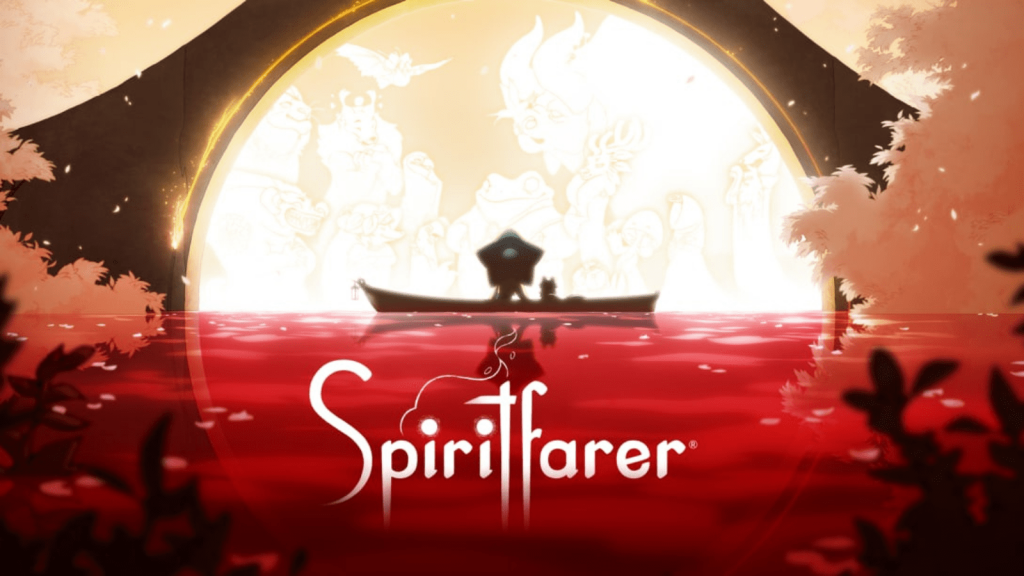
You play as Stella, a young woman chosen to become the new Spiritfarer — the ferrymaster who guides souls to the afterlife. Accompanied by her cat Daffodil (who can act as Player 2), Stella sails across a vast ocean in search of lost spirits who are not yet ready to move on.
Each spirit appears as an animal but retains their human personality, memories, and unfinished emotional business. Your role is not simply to transport them — it is to care for them, understand them, and help them find peace.
This involves:
- Listening to their stories
- Fulfilling their personal requests
- Building relationships
- Preparing them emotionally for their final departure
The premise may sound heavy, but Spiritfarer treats death with tenderness rather than gloom. It is as much about living fully as it is about letting go.
A Story That Hits Harder Over Time
At first, Spiritfarer can feel like a standard cozy management game — gather resources, build structures, keep passengers happy.
But everything changes when you escort your first spirit to the Everdoor.
Hearing them reflect on their life, accept their past, and embrace their farewell is deeply moving. The moment Stella hugs them before they pass on is simple — but devastatingly powerful.
As more spirits depart, the weight of the game grows. Some stories subtly suggest themes of:
- Cancer
- Alzheimer’s
- Regret
- Family conflict
- Loneliness
Nothing is spelled out, yet everything is felt.
Building and Managing Your Ship
Spiritfarer is also a deep management game built around your ship.
You gradually construct:
- A kitchen for cooking
- Fields for growing food
- A foundry for smelting metal
- Personal houses for each spirit
Your main tool, the Everlight, serves multiple purposes — fishing rod, pickaxe, saw, and more. Each action is a small interactive mini-game that keeps you engaged rather than passive.
As spirits teach Stella new skills, you unlock abilities like:
- Double jump
- Gliding
- Bouncing
This transforms Spiritfarer into something closer to an exploratory platformer, allowing you to reach hidden areas and rare treasures.
Exploration and Progression
Every spirit you help eventually grants Stella a special item that upgrades her ship — such as:
- An ice breaker
- A rock breaker
- A mist clearer
These upgrades open new regions of the map, letting you discover better materials, new spirits, and deeper secrets.
The loop becomes addictive:
- Find a spirit
- Help them heal
- Gain new abilities
- Upgrade your ship
- Explore further
Each step feels meaningful — both mechanically and emotionally.
Downtime: Slow Start, Strong Finish
Spiritfarer’s biggest weakness is its early pacing.
At first, there are long stretches of:
- Cooking
- Fishing
- Waiting while sailing
This can feel dull before you unlock more activities and quick travel.
However, once your ship grows and your options expand, downtime becomes productive rather than boring. You can multitask — cook, farm, feed spirits, upgrade buildings, and prepare for your next destination.
Memorable Adventures on the Open Sea
Spiritfarer shines when it leans into adventure:
- Mining ore off a dragon’s back
- Catching falling stars
- Hunting hidden insects
- Fishing for messages in bottles
- Discovering buried treasure
These moments break up routine and reinforce the magical nature of Stella’s journey.
Stunning Art and Music
Visually, Spiritfarer is breathtaking.
- Hand-drawn 2D animation
- Soft, glowing lighting
- Expressive character movements
- Beautiful island vistas in the distance
Even without dialogue, Stella’s facial expressions tell you exactly how she feels.
The soundtrack is equally powerful — haunting, hopeful, emotional, and uplifting. The main theme and quick-travel music are especially memorable.
Writing That Feels Real
Despite its charming art style, Spiritfarer is not childish.
The spirits:
- Speak bluntly
- Argue
- Joke
- Show vulnerability
Some are difficult, some are lovable, and all feel like real people. The dialogue is mature without being crude — and deeply human.
Final Verdict (Spiritfarer Review)
This Spiritfarer review concludes that the game is not just good — it becomes great over time.
Yes, the beginning is slow. But if you stick with it, Spiritfarer transforms into something truly special.
It is:
- Relaxing yet emotionally powerful
- Cozy yet deeply meaningful
- Sad yet strangely uplifting
Spiritfarer is not a depressing game — it is a compassionate one. It teaches you that goodbyes can be painful, beautiful, and necessary.
If you’re willing to invest the time, Spiritfarer is absolutely worth your journey.


news via inbox
Subscribe for thoughtful cozy game reviews, recommendations, and hidden gems — no spam, just good vibes.


