
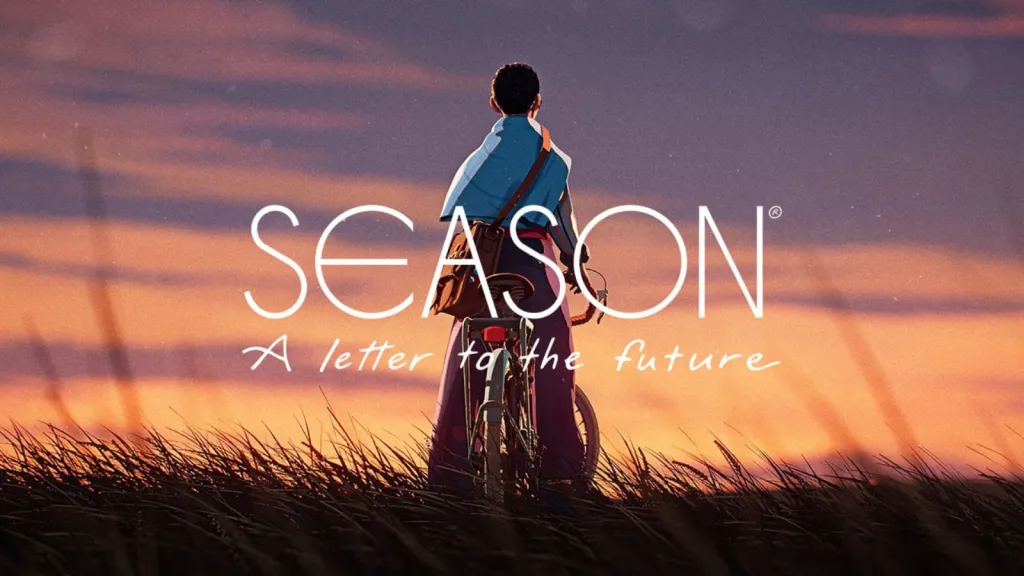
A Letter to the Future Review — A Meditative Road Trip Through Memory and Change
Season: A Letter to the Future describes itself as an “atmospheric bicycle road trip,” and that’s a remarkably accurate summary. Scavenger Studio’s poetic adventure is less a traditional game and more an interactive meditation on memory, loss, and the inevitability of change.
In this Season: A Letter to the Future review, we’ll examine what makes this journey so emotionally resonant — and why a few small mechanical frustrations keep it from being a true masterpiece.
The Story: A World on the Brink of Disappearance
You play as Estelle, a young woman from the isolated mountain village of Caro. Her world operates in “seasons” — not weather, but eras of existence. As one season comes to an end, most memories of it will be erased.
Because of this, Estelle is chosen to travel beyond her village to document the world before it vanishes. Her mission is simple but profound: collect sounds, photographs, and stories that will preserve the spirit of this season for the next.
The journey takes her to Tiang Valley — a lush, pastoral region filled with farms, forests, and quiet communities. But the valley is under threat. A leaking dam has sparked an aggressive excavation project led by an organization called The Graam, and the land may soon be lost forever.
Season’s narrative is deliberately minimal and open-ended. It touches on themes of:
- Fear of change
- Impermanence
- Memory and preservation
- What we choose to remember — and what we let go
The story doesn’t spell everything out. Instead, it invites you to interpret its meaning through exploration and reflection.
Exploration: Riding, Recording, and Remembering
Most of your time in Season is spent traveling — either on foot or by bicycle — and documenting the world around you.
You are equipped with two key tools:
- A camera to photograph meaningful moments
- A sound recorder to capture environmental audio
These recordings become “keepsakes” in Estelle’s journal. As you gather enough of them, you unlock:
- New conclusions
- Stamps
- Decorative elements for your journal pages
Some pages require specific photos or documents, leading to small narrative revelations about the valley’s history and culture.
One of the game’s most charming elements is seeing the world through Estelle’s eyes. She reacts with genuine curiosity — whether she’s puzzled by ice cream or fascinated by the sound of a motor engine.
The People You Meet Along the Way
Tiang Valley is populated by people who are also being forced to leave their homes.
Each character is thoughtfully written, with emotional stakes that feel real:
- An aging artist who fears being forgotten
- A farming family facing relocation to a cramped city apartment
- Community members grappling with displacement and loss
These conversations are slow, sincere, and often heartbreaking — and they make the journey feel meaningful rather than mechanical.
A Game Without Hand-Holding
Season avoids modern video game conveniences.
There is:
- No HUD
- No quest markers
- No skill trees
- No minimap on screen
Your only navigational tool is a traditional map inside Estelle’s journal. You must listen carefully to dialogue and remember directions.
This design can feel slow, but it reinforces the game’s reflective tone — you aren’t rushing, you’re wandering with intention.
Art and Sound: A Living Painting
Visually, Season is breathtaking.
The art style is heavily inspired by oil paintings — soft brushstrokes, warm color palettes, and painterly skies.
There are moments while cycling where the camera subtly pulls back to frame a scenic vista. These transitions feel cinematic, almost like stepping into a moving painting.
The sound design is equally restrained:
- Rustling leaves
- Flowing water
- Distant horns
- Wind sweeping across open fields
Music is sparse and atmospheric, appearing only at key emotional moments — which makes those moments hit harder.
Length and Replay Value
A full playthrough takes roughly 7 hours if you explore thoroughly.
Completionists can easily spend more time uncovering hidden stories and optional mysteries throughout Tiang Valley.
Where Season Stumbles: Gameplay Frustrations
Despite its beauty, Season isn’t perfectly polished.
Some issues include:
- The bicycle feeling floaty and imprecise
- Not being able to view the map while riding
- Occasional terrain snags while off-roading
- Minor graphical glitches during cutscenes
None of these problems ruin the experience — but they do occasionally pull you out of the immersion.
Final Verdict (Season: A Letter to the Future Review)
This Season: A Letter to the Future review concludes that, despite its small flaws, this is a deeply moving and worthwhile experience.
It offers:
- A beautiful world to explore
- Emotionally rich storytelling
- Thoughtful themes about memory and change
- A peaceful, contemplative gameplay loop
If you enjoy quiet, reflective games that prioritize atmosphere over action, Season: A Letter to the Future is absolutely worth your time.
It may not be flawless — but its heart and artistry make it unforgettable.


news via inbox
Subscribe for thoughtful cozy game reviews, recommendations, and hidden gems — no spam, just good vibes.


